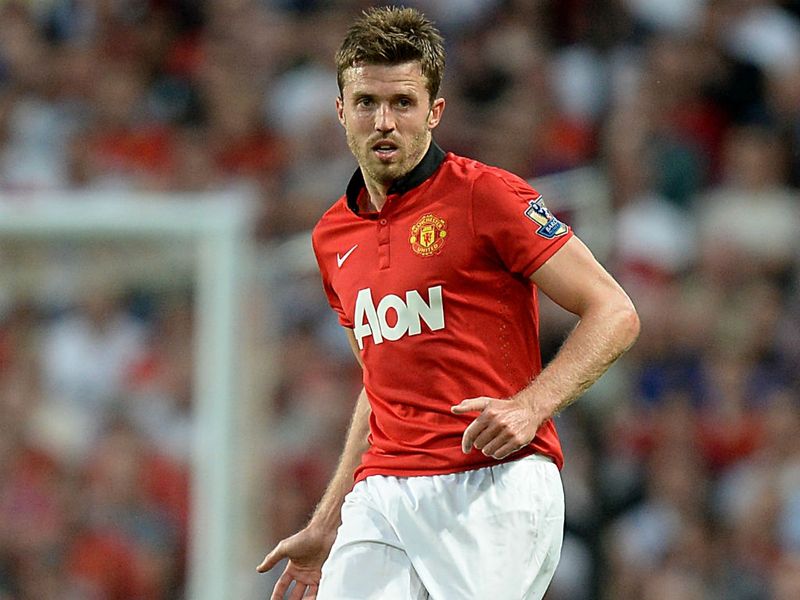
Lisandro Martínez to AC Milan? Ruben Amorim’s Reported Manchester United Reunion Explained
AC Milan have been linked with a move for Manchester United defender Lisandro Martínez. Here is what has been reported, why Ruben Amorim admires him, and why a deal would be difficult.
Football Vows

Transfer Status at a Glance
| Question | Current position |
| Is Ruben Amorim the AC Milan coach? | Yes. Milan officially appointed him on 16 June 2026. |
| Is Lisandro Martinez a Milan player? | No. He remains under contract with Manchester United. |
| Has Milan submitted an official bid? | No formal bid has been publicly confirmed. |
| Has interest been reported? | Yes. TEAMtalk cited Italian journalist Antonio Vitiello. |
| Why is he linked? | His passing, aggression and left-sided role fit Amorim’s back three. |
| Is a transfer likely? | Possible, but currently difficult and not at an advanced stage. |
The Rumour Behind the Headline
Ruben Amorim has started a new chapter at AC Milan, and it has not taken long for former Manchester United players to appear in transfer stories connected with the Portuguese coach.
One of the most eye-catching names is Lisandro Martínez. Reports published at the end of June claimed that Amorim wanted Milan to explore a move for the Argentina international as part of the Italian club’s defensive rebuild.
The link is easy to understand. Martínez worked under Amorim at Manchester United and appeared well suited to the coach’s preference for defenders who can step forward, pass through pressure and defend aggressively. A left-footed centre-back with leadership experience would also give Milan a useful building block for a three-man defence.
However, an understandable tactical link is not the same as an advanced transfer. Manchester United have not announced that Martínez is for sale. AC Milan have not confirmed a bid, an agreement or formal negotiations. The story began as reported interest, and it should remain described that way unless stronger evidence emerges.
That distinction matters for Football Vows and its readers. Transfer coverage becomes more useful when it explains the strength of a report instead of turning every enquiry into a completed deal.
The real story is therefore bigger than a dramatic headline. It concerns Martínez’s importance to United, his contract situation, his injury history, Milan’s changing defence and the relationship between a coach and a player whose qualities fit his system.
What Is Confirmed and What Remains Unverified?
Several parts of the situation are confirmed.
AC Milan officially appointed Ruben Amorim as head coach on 16 June 2026. The club described him as a coach with a modern, possession-based identity, an aggressive pressing game and a strong record of developing players. Milan hired him after a disappointing season in which the team missed Champions League qualification.
Lisandro Martínez remains a Manchester United player. His official club profile lists him in Michael Carrick’s first-team squad and highlights his return from a serious knee injury during United’s improvement in the second half of the 2025/26 campaign.
Martínez originally joined United from Ajax in July 2022. His contract was announced as running until June 2027, with an option for a further year. That means United retain contractual control, although the approaching final guaranteed year creates a decision about a renewal, an extension or a possible sale.
The unconfirmed part is the transfer itself.
TEAMtalk reported that Italian journalist Antonio Vitiello had linked Milan with Martínez and Sporting CP defender Gonçalo Inácio. The report stated that contacts had been made as Milan assessed both players. No official club statement has confirmed those contacts, and no widely reported formal offer has followed.
The responsible verdict is straightforward: Milan’s interest is plausible and has been reported, but a transfer is not close enough to describe as likely, agreed or imminent.
Why Amorim Would Want Martínez Again
Amorim’s interest makes tactical sense because Martínez possesses several qualities that are difficult to find in one defender.
The first is his passing. Martínez is comfortable receiving the ball near his own penalty area, even when an opponent is close. He can play short passes into midfield, switch the direction of an attack or break a defensive line with a firm ball into an advanced player.
That ability is especially valuable in a back three. The outside centre-backs in Amorim’s system are not asked only to defend. They must support the build-up, advance into midfield when space opens and help the team create an extra passing option.
Martínez performed that role naturally during Amorim’s period at United. Playing on the left side allowed him to step forward on his stronger foot. He could find a wing-back near the touchline, pass into a central midfielder or carry the ball beyond the first line of pressure.
His aggression is another attraction. Martínez likes to defend on the front foot. Rather than retreating automatically, he often moves towards the receiver and tries to prevent an attacker from turning. This approach can help a team keep opponents far from goal when the press is organised properly.
Leadership also matters. Milan are trying to rebuild confidence and create a stronger identity. Martínez is vocal, competitive and emotionally involved in matches. He has played in a World Cup-winning Argentina squad, represented United in major finals and worn the captain’s armband.
For a new coach attempting to establish demanding standards, a player who already understands his instructions can be extremely valuable.
How Martínez Fits a Three-Man Defence

Martínez is capable of playing in a back four, but several parts of his game become particularly useful in a three.
As the left-sided centre-back, he can defend the channel while still moving into central areas. A wing-back provides width ahead of him, giving Martínez room to carry the ball and choose his passing angle.
The structure can also reduce some of the aerial pressure placed on him. Martínez is brave and times many challenges well, but he is shorter than the traditional Premier League centre-back. When positioned beside a powerful central defender and another athletic centre-back, the team can distribute aerial duties more effectively.
Amorim normally wants the central player in the back three to protect the penalty area and organise the line. The outside defenders are given more freedom to step into midfield. Martínez would be well suited to that left-sided role.
His experience as a defensive midfielder at Ajax adds another layer. If Milan build with three defenders, Martínez can occasionally advance and create a temporary midfield overload. That movement can help the team escape a press without forcing a central midfielder to drop too deeply.
There are risks. An aggressive defender can be exposed when the midfield does not protect the space behind him. If Martínez steps forward and the press is beaten, the opponent may attack the channel he has left.
Amorim would therefore need the left wing-back, holding midfielder and central centre-back to react together. The system fits Martínez, but no system removes the need for collective discipline.
Why AC Milan Need Defensive Reinforcement
Milan’s interest in another centre-back reflects the scale of the project Amorim has inherited.
The club appointed him after finishing outside the Champions League places. That result increased pressure on the new leadership to refresh the squad and produce a clearer style of football.
A coach who relies on three centre-backs needs more defensive depth than a manager who normally starts two. The squad must contain enough players to cover injuries, suspensions and tactical changes without forcing full-backs into central roles every week.
Milan have already moved to improve the defence. The club confirmed Mario Gila as a new arrival during the 2026 summer window. Even so, one addition may not be enough if Amorim wants to use a back three throughout a season that includes Serie A, domestic cup football and the Europa League.
The ideal group would contain different profiles. One defender should dominate aerially. Another may offer recovery speed. A left-footed passer can improve the angles of the build-up. Martínez fits the final description while also bringing experience and personality.
Gonçalo Inácio has been mentioned as an alternative because he performed the role under Amorim at Sporting. He is younger and already knows the coach’s structure in great detail. Martínez offers Premier League experience, World Cup pedigree and a more confrontational defensive style.
Milan’s recruitment team must decide which profile offers the best value. Amorim may admire both players, but the club is unlikely to sign every familiar name linked with him.
Manchester United Have Strong Reasons to Keep Him
The strongest obstacle to a transfer is Manchester United’s own need for Martínez.
Michael Carrick enters his first full season as head coach with Champions League football returning to Old Trafford. United must prepare for a heavier schedule and a higher level of opposition. Selling an experienced centre-back without a superior replacement would create unnecessary risk.
Martínez provides qualities that are not repeated perfectly elsewhere in the squad. Leny Yoro offers speed and long-term potential. Matthijs de Ligt brings size and experience. Harry Maguire provides aerial strength and leadership. Ayden Heaven is an exciting young defender.
None of those players combines left-footed distribution, front-foot aggression and familiarity with Martínez’s role in exactly the same way.
His passing can be especially important against teams that press high. United have often struggled when defenders play slowly or avoid passes into midfield. Martínez is willing to take responsibility and attempt the progressive ball.
He also has a strong connection with supporters. His competitive style made him popular soon after his arrival from Ajax. That relationship does not make him unsellable, but it increases the expectation that any sale must make clear sporting sense.
Carrick’s team improved when experienced players helped stabilise the defence. United’s official profile notes that Martínez returned to marshal the back line alongside Maguire during the club’s resurgence.
A Champions League club should normally add to that experience rather than remove it.
The Contract Decision United Cannot Ignore
Martínez’s contract creates the main reason United may at least listen to enquiries.
His original agreement runs until June 2027, with the club holding an option for another year. If United activate that option, they can protect his value and delay the pressure of an expiring deal.
A new contract would provide greater long-term security. It would also require the club to decide whether Martínez’s fitness record and age justify a significant salary commitment.
Allowing the situation to drift would be dangerous. A player entering the final guaranteed year of his contract can gain leverage in negotiations. Buying clubs may also refuse to meet a high valuation when they know the contract clock is moving.
United therefore have three realistic choices.
They can offer fresh terms and confirm Martínez as an important part of Carrick’s project. They can activate the existing option and review the situation later. Alternatively, they can consider a serious offer while the player still carries strong market value.
The worst approach would be uncertainty without a plan.
Contract management is one of the areas in which United have made expensive mistakes in the past. Players have sometimes received large extensions to protect an asset, only to become difficult to sell later. Others have been allowed to approach the end of their deals, reducing the club’s negotiating power.
Martínez’s case requires a football decision first. If Carrick views him as a key starter, the club should act accordingly. If injuries or tactical plans have changed that assessment, a sale becomes easier to discuss.
Injuries Are the Central Risk
Any serious evaluation of Martínez must address his availability.
The defender suffered an anterior cruciate ligament injury in February 2025 and faced a long rehabilitation. He returned to first-team training in April 2026 and later featured during United’s run-in.
His determination to recover deserves praise. Returning from a major knee injury requires months of physical work and mental patience. United’s official profile presents that comeback as another example of his ability to respond to setbacks.
However, the wider injury record remains a concern. Martínez was limited to 14 appearances in the 2023/24 season and also dealt with calf problems during 2025/26. A club offering a major fee and a long contract must consider whether he can remain available across a full campaign.
Milan would need a detailed medical assessment. Serie A may involve a different rhythm from the Premier League, but European football and a demanding pressing system still place heavy loads on defenders.
United face the same calculation. Keeping a high-quality centre-back has value only when he can play regularly. If Carrick cannot depend on him for consecutive matches, the squad needs enough depth to protect the team.
Fitness uncertainty may reduce the transfer fee Milan are willing to offer. It may also make United reluctant to extend the contract on improved terms.
The injury question does not automatically point towards a sale. It simply means both clubs must judge risk carefully rather than relying on reputation.
Could United Replace His Passing?
Replacing Martínez would involve more than signing another defender.
A new centre-back would need to improve the team without weakening its first phase of possession. United’s best attacks often begin with a defender breaking the first line rather than playing a harmless pass across the back.
A right-footed player can operate on the left, but the passing angles change. A left-footer naturally opens his body towards the touchline and midfield. That can make the build-up faster and less predictable.
United could search for a younger player with similar qualities. The advantage would be greater availability and potential resale value. The disadvantage is adaptation. A defender joining from another league may require time to understand Premier League pressure and the demands of Old Trafford.
Carrick could also change the structure. A left-back such as Luke Shaw can move into central defence, while a midfielder can drop between the centre-backs during the build-up. Those solutions may work in selected matches but should not replace specialist depth across an entire season.
The transfer fee would therefore need to fund a credible replacement. Selling Martínez for a modest amount and spending more on a less proven player would be difficult to justify.
United should ask a direct question before considering any offer: who performs his role better, more reliably and at an acceptable total cost?
Without a convincing answer, keeping him is the safer football decision.
Would Martínez Want the Move?
The player’s position has received less reliable reporting than Amorim’s supposed interest.
There has been no confirmed public request from Martínez to leave Manchester United. He remains listed in the first-team squad and has continued to represent the club after his recovery.
A move to Milan could still appeal. The Rossoneri are one of Europe’s historic clubs, and Amorim would offer a familiar tactical environment. Serie A has also provided successful new chapters for several experienced Premier League players.
Living in Milan, competing for trophies and playing under a coach who values his strengths could make the proposal attractive. Argentina teammates and other Spanish-speaking players in Italy might also ease the transition.
Yet United can offer Champions League football, an established relationship with supporters and a central role in Carrick’s rebuild. The club’s third-place finish restored some optimism, while Milan missed Europe’s leading competition.
Martínez must also consider his international ambitions. Regular football before future Argentina tournaments will be important. Neither club can guarantee minutes, but United already know his level when fit.
Until the player or his representatives communicate a desire to move, it would be wrong to portray him as pushing for the transfer.
The Financial Challenge for AC Milan
Milan’s interest must be matched by financial reality.
United paid a significant fee to sign Martínez from Ajax and would not want to lose an important defender cheaply. His remaining contract length gives Milan some negotiating hope, but United’s option for an additional year strengthens the selling club’s position.
The total cost would include more than the transfer fee. Martínez is an established Premier League and Argentina international. His salary expectations would reflect that status, while agent fees and possible bonuses would add to the package.
Milan have already invested heavily in the squad. Reuters reported that Gonçalo Ramos joined for a fee above €70 million, making him a major part of Amorim’s rebuild. The club must decide how much of the remaining budget can be committed to another experienced signing.
Missing Champions League qualification also affects revenue. Milan still possess strong commercial power, but Europa League income is lower than the money available in Europe’s top competition.
A deal might require a structured fee, instalments or sales elsewhere in the squad. United, meanwhile, would need enough guaranteed money to fund a replacement.
This is why many logical transfer ideas never progress. The coach may admire the player, the player may fit the system and the selling club may be willing to listen. The numbers can still prevent an agreement.
Amorim’s Familiar-Player Strategy
Coaches are frequently linked with players they managed in previous jobs.
The logic is obvious. Familiar players understand the training methods, tactical language and standards of the coach. They can help explain a new system to teammates and reduce the time required for the squad to adapt.
Amorim’s move to Milan has already produced links with several Manchester United players, including Mason Mount, Noussair Mazraoui, Manuel Ugarte and Martínez. Not all of those stories will lead to serious negotiations.
There is also a danger in building a new team around the past. Milan hired Amorim to improve its own squad, not recreate Manchester United or Sporting CP in Italy. Recruitment should consider age, value, fitness and the needs of existing players.
A familiar signing works best when he solves a genuine weakness. Martínez appears to meet that standard because Milan need another high-level centre-back and Amorim wants defenders who can build attacks.
The club should still compare him with alternatives. Gonçalo Inácio offers deeper knowledge of Amorim’s Sporting system. Other Serie A defenders may cost less and carry lower adaptation risk.
The strongest recruitment department supports the coach without allowing personal familiarity to replace independent analysis.
What the Rumour Means for Mason Mount and Mazraoui
Martínez was described as another United player on Milan’s radar because earlier stories had connected Amorim with Mason Mount.
Mount endured injury problems after joining United and worked under Amorim before Carrick took charge. Reports of a possible Milan move emerged, but other coverage indicated that the midfielder remained part of Carrick’s plans.
Noussair Mazraoui has also been linked with a reunion. His versatility makes him an understandable target for a coach who used him in several defensive roles. Reports suggested Milan had contacted his representatives while considering changes at wing-back.
These links create a wider question for United. Carrick inherited a squad built partly for Amorim’s 3-4-2-1 formation. Some players may fit both coaches, while others could be more valuable to the former manager’s new project.
United should judge every case separately. Selling one player to Milan does not mean opening the door for several more. The club must protect its own depth, especially with Champions League football returning.
For supporters, the repeated links can feel like an attempted raid. In reality, most transfer windows contain many enquiries that never become bids.
The relevant issue is not how many United players are mentioned. It is whether Milan present an offer that improves United’s squad and finances.
What a Serious Offer Would Need to Look Like
Manchester United should not reject every proposal without consideration, but a serious offer would need to meet several conditions.
First, the guaranteed fee must reflect Martínez’s importance. Add-ons based on unlikely achievements should not be used to make a weak proposal appear larger.
Second, the payment structure must help United replace him. A long series of small instalments may not provide enough immediate flexibility during the current window.
Third, Carrick must approve the sporting plan. The club should identify a replacement before allowing the transfer to progress too far.
Fourth, United must understand Martínez’s contract preference. If he is willing to sign an extension and remains important to the coach, selling becomes less attractive. If renewal talks are unlikely to succeed, the club may decide the timing is right.
Finally, the medical risk must be priced fairly. Milan may use his injuries to negotiate a discount, while United can point to his return, international experience and unique profile.
A low offer designed to exploit the contract situation should be rejected. A substantial proposal combined with a clear replacement plan deserves discussion.
That is not disloyalty. Well-run clubs evaluate assets without forgetting football needs.
Three Possible Outcomes
The first and most likely outcome is that Martínez remains at Manchester United.
United need defensive depth, Carrick values experienced players and no official offer has been announced. The club can activate its contract option or begin discussions over new terms while using the defender in the Champions League.
The second outcome is that Milan turn towards another target. Gonçalo Inácio has already been linked, while the club may identify a less expensive defender in Serie A or another European league. This would allow Amorim to add the profile he needs without a difficult negotiation with United.
The third possibility is a late transfer. That would require Milan to make a strong offer, Martínez to approve the move and United to secure a replacement. Deals can accelerate near the end of the window when clubs become more flexible.
At present, the third scenario lacks enough evidence to be described as close.
Supporters should therefore follow official developments rather than treat repeated reports as confirmation. A formal bid, permission to discuss personal terms or the player being left out of competitive squads would strengthen the story.
Until then, it remains a credible tactical idea rather than an advanced deal.
Final Verdict
Ruben Amorim’s reported interest in Lisandro Martínez is believable because the football connection is strong.
Martínez understands the coach’s system, passes well from the left side of defence and brings the aggression and leadership Milan want during their rebuild. A reunion at San Siro would be easy to explain tactically.
The transfer itself is much harder to complete.
Manchester United are returning to the Champions League and need reliable defensive depth. Martínez remains one of the squad’s best progressive passers and carries a level of experience that would be expensive to replace.
His contract and injury history create legitimate questions. United must decide whether to extend his stay, activate the extra-year option or consider a major offer. Milan must determine whether the fee, salary and medical risk fit a summer budget already supporting several changes.
For now, the safest conclusion is that AC Milan have been linked with Martínez and Amorim is reported to admire him. There is no official evidence of a bid or agreement.
The original mystery-player headline should not define the story. The real value lies in explaining why the move makes sense, why United may refuse it and what would have to change before the rumour becomes a genuine transfer negotiation.
Sources
AC Milan appoints Ruben Amorim as head coach
AC Milan: Amorim’s first press conference
Manchester United: Lisandro Martinez player profile
Manchester United: Martinez signed until 2027 with a one-year option
Manchester United: Martinez returns to full training in April 2026
Reuters: Amorim appointed to rebuild AC Milan
Reuters: Martinez suffered an ACL injury in February 2025
TEAMtalk: Report linking Milan with Martinez
Reuters: Goncalo Ramos joins AC Milan
Discover more from Football Vows | Fifa Worlds
Subscribe to get the latest posts sent to your email.